Global Capability Centre India: Why Leadership Budget Beats Headcount
Every global capability centre India engagement I have worked with hits the same invisible wall, and it rarely happens in month twelve when leadership expects the first real test of maturity. It happens closer to month four, quietly, before anyone has framed it as a problem. Headcount is in place. The office is running. Teams are onboarded and technically productive. But something is not connecting, and the symptom is unmistakable once you know what to look for. Work is going in. Ownership is not coming out.
In our engineering reviews across SuperBotics’ 500+ successful deployments spanning 14 countries, this pattern shows up with remarkable consistency. The GCC plan had a carefully budgeted line for headcount, infrastructure, real estate, and tools. It had no line for leadership. No allocated budget for the managers and technical leads who actually translate corporate strategy into the daily decisions that determine whether a centre executes well or merely stays busy.
Headcount without a leadership layer is not a global capability centre India model in any meaningful sense. It is a staffing arrangement with a better address, and the distinction between the two determines almost everything about how the centre performs from year two onward.
Why Global Capability Centre India Models Fail Without a Leadership Budget Line
The GCCs that scale successfully made one specific decision early in their planning, often before the first hire was even made. They budgeted for leadership before headcount, treating management capacity as a foundational cost rather than an afterthought layered on once delivery problems became visible.
The GCC cost model looks very different once you replace assumptions with real numbers.
→ Calculate Your GCC Cost Model
→ Read the GCC Strategy Guide
That shows up measurably in every delivery and retention number from year two onward. Centres that under-budgeted leadership relative to headcount consistently show higher attrition among senior engineers within eighteen months, not because compensation was uncompetitive, but because those senior engineers found themselves absorbing informal leadership responsibility without the authority, support, or recognition that should have accompanied it.
Signals a Global Capability Centre India Model Is Understaffed on Leadership
- Senior engineers spend a disproportionate share of their week resolving cross-team coordination rather than technical work
- Escalations from the India-based centre to headquarters take days rather than hours to receive a substantive response
- Attrition concentrates specifically among the most senior individual contributors, not junior staff
Reducing Delivery Inconsistency in Cross-Geography Engineering Teams Through Leadership Budgeting
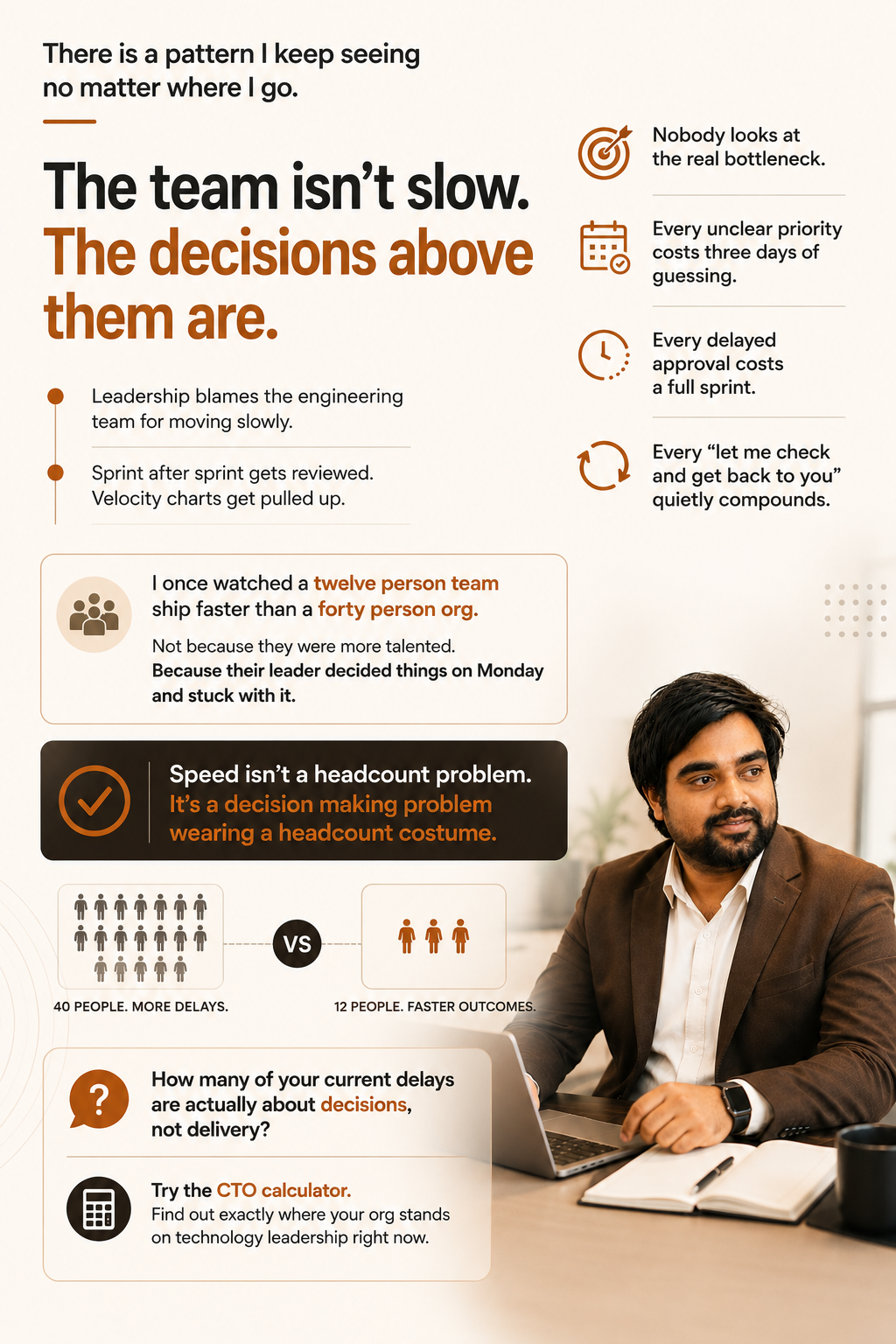
Reducing delivery inconsistency in cross-geography engineering teams depends heavily on whether local leadership at the centre has genuine decision-making authority, or whether every meaningful call must travel back to headquarters before it can be executed. When leadership budget is treated as optional, this authority gap becomes structural rather than occasional, and every escalation across US-Europe market targets and India-based operations adds friction that compounds across the entire delivery pipeline.
| Budget Approach | Typical Year-Two Outcome |
|---|---|
| Headcount-first, leadership as afterthought | Rising senior attrition, decision bottlenecks at HQ |
| Leadership budgeted from month one | Stable retention, local decision authority functioning |
Cross-geography governance built around SOC 2 and GDPR compliance frameworks often gets meticulous budget attention during GCC planning, because compliance requirements are externally mandated and therefore impossible to skip. Leadership capacity receives no equivalent external mandate, which is precisely why it gets quietly deprioritized in planning conversations, even though its absence causes more sustained damage to centre performance than most compliance gaps ever do.
MLOps Pipelines, RAG Frameworks, and Why Technical Complexity Demands Leadership Even More
Global capability centre India models increasingly take on genuinely complex technical mandates, including MLOps pipeline ownership and RAG framework development, work that used to remain closer to headquarters in earlier GCC generations. This shift makes the leadership budgeting gap more costly, not less, because complex technical work requires more architectural judgment calls per week, not fewer, and each of those calls needs a decision-maker with real authority sitting inside the centre rather than several time zones away.
Most GCC cost models are built on assumptions. The centres that scale ran theirs on real numbers, starting with what leadership capacity actually costs relative to headcount.
A centre handling Odoo views configuration or React Native infrastructure decisions for a global product line needs technical leadership embedded locally, with the authority to make architecture calls without escalating every decision back to headquarters. Without that embedded authority, the centre becomes a highly capable execution arm that nonetheless cannot move at the speed its technical talent should allow, because every meaningful decision is gated by a leadership layer that was never adequately budgeted or empowered.
Global Capability Center Innovation Requires Leadership Mandate, Not Just Leadership Headcount
It is worth distinguishing between simply hiring managers and actually building a leadership mandate. A centre can budget for management headcount and still fail to solve the underlying problem if those managers are not given genuine authority to make binding decisions. Global capability center innovation, the shift from execution centre to strategic partner, depends entirely on whether local leadership is trusted with real judgment calls, not just administrative oversight of headcount already in place.
This connects directly to what builds lasting trust in technology leadership across a distributed organization. Headquarters leadership that budgets for local authority and then genuinely defers to it, rather than budgeting for the title while still routing every real decision back to headquarters, builds centres that mature into strategic partners rather than remaining perpetually execution-only arms of the business.
What a Properly Budgeted Leadership Layer Looks Like in Practice
- A named technical leader embedded at the centre with explicit authority over architecture decisions within defined boundaries
- A budget line for that leadership role calculated before headcount targets are finalized, not after
- A documented escalation path that defines exactly which decisions stay local and which travel to headquarters
Centres that implement all three from month one consistently show stronger delivery and retention metrics by year two than centres that added leadership structure reactively after attrition or delivery problems became visible. The cost of building this structure early is a fraction of the cost of rebuilding trust and authority after a centre has already developed a reputation internally as an execution-only function.
The First 90 Days: When the Leadership Gap Becomes Visible
The first ninety days of a global capability centre India engagement are often described as a ramp-up period, but that framing understates how much structural weight those early weeks actually carry. Decisions made or deferred in this window, particularly around who owns architecture calls and who resolves cross-team disputes, tend to calcify into permanent operating patterns well before anyone formally reviews the centre’s performance.
I have reviewed enough centres at this stage to notice a consistent early signal. When leadership was budgeted and empowered from day one, the ninety-day mark typically shows a functioning escalation rhythm, disputes resolved locally within a day or two, decisions documented, momentum building. When leadership was treated as a later addition, the ninety-day mark instead shows a pattern of decisions quietly queuing up, waiting for headquarters attention that arrives inconsistently, and senior local staff absorbing informal responsibility they were never formally given the authority to exercise.
By month six, those early patterns do not look like gaps anymore. They look like “how things work here,” and fixing them at that point means undoing months of established habit rather than simply writing a policy. The centres that get ahead of this ask the ownership questions in week one, not month six, precisely because the cost of establishing leadership authority early is dramatically lower than the cost of retrofitting it later.
Operational ROI Improvement Depends on Leadership Authority, Not Just Leadership Presence
Operational ROI improvement from a global capability centre India model is frequently measured through metrics like hours logged, tickets closed, or utilization rates. None of those metrics actually capture whether the centre is moving the business forward, because none of them measure whether local leadership had the authority to make the calls that determine delivery speed and quality. A centre can show excellent utilization numbers while quietly bottlenecked on every decision that requires headquarters sign-off, and the utilization metric will never reveal that bottleneck.
Outcome metrics that connect the centre’s work to genuine business results should be agreed before operations begin, not invented at the first quarterly review when something looks off. This requires leadership at the centre with enough authority to actually influence those outcomes, rather than leadership that exists on the org chart but defers every substantive decision back to headquarters regardless of how well qualified the local leader actually is.
When You Look at Your GCC Plan, Does It Have a Leadership Layer Built In From Month One
That question, asked honestly during initial GCC planning rather than after the centre is already operational, is one of the most valuable diagnostic questions a leadership team can ask itself. Most GCC cost models are built on assumptions about headcount, infrastructure, and real estate, while leaving leadership capacity as an implicit, unbudgeted line that gets addressed only once its absence becomes an operational problem.
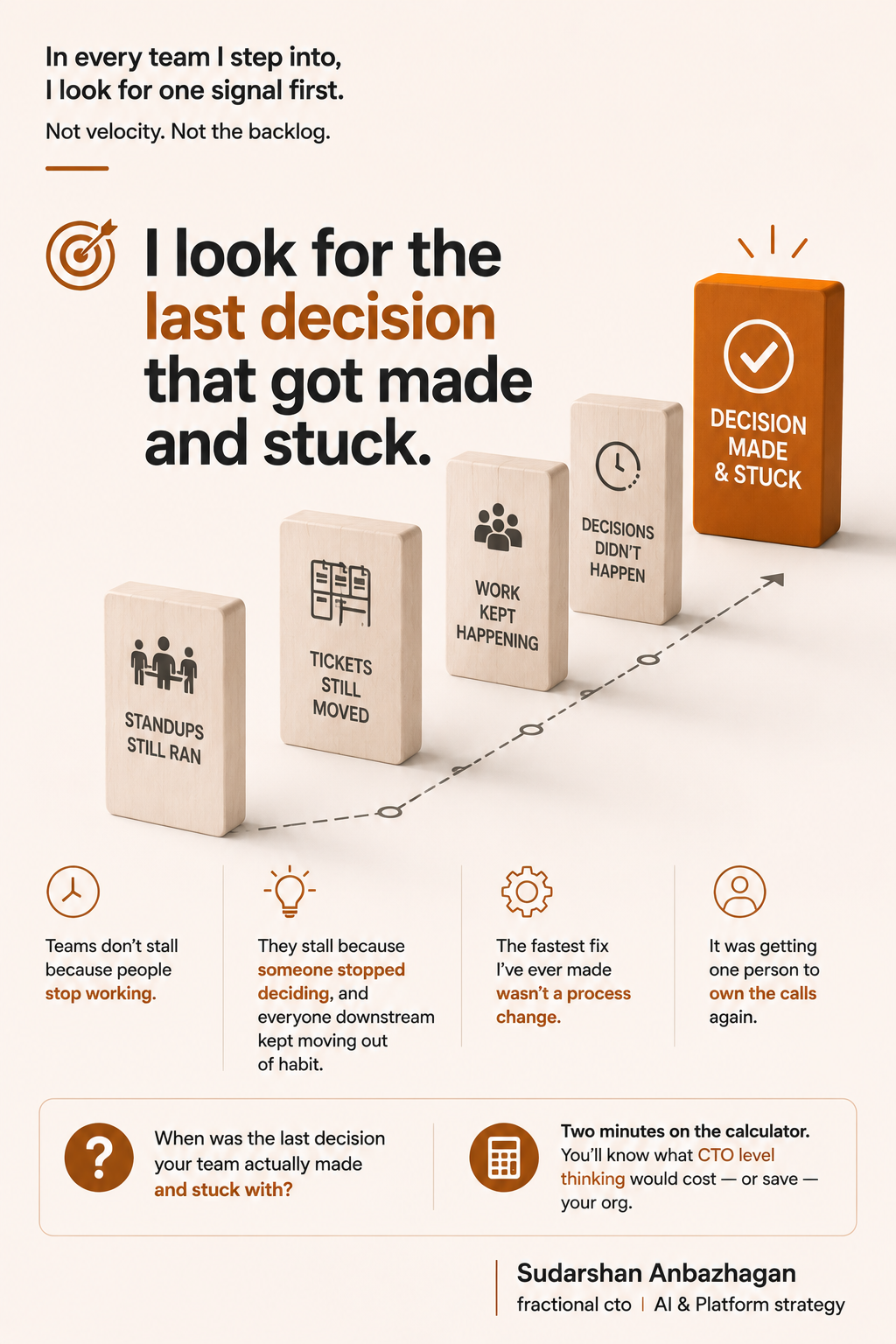
The GCCs that scale made one decision early, budget for leadership before headcount.
→ Calculate Your GCC Cost Model
→ Read the GCC Strategy Guide
Run your GCC cost model on real numbers rather than assumptions, starting with what a properly resourced leadership layer actually costs relative to the headcount it will support. That single line item, budgeted honestly and early, is very often the difference between a global capability centre India model that scales into a genuine strategic partner and one that remains a well-staffed but permanently execution-only outpost.