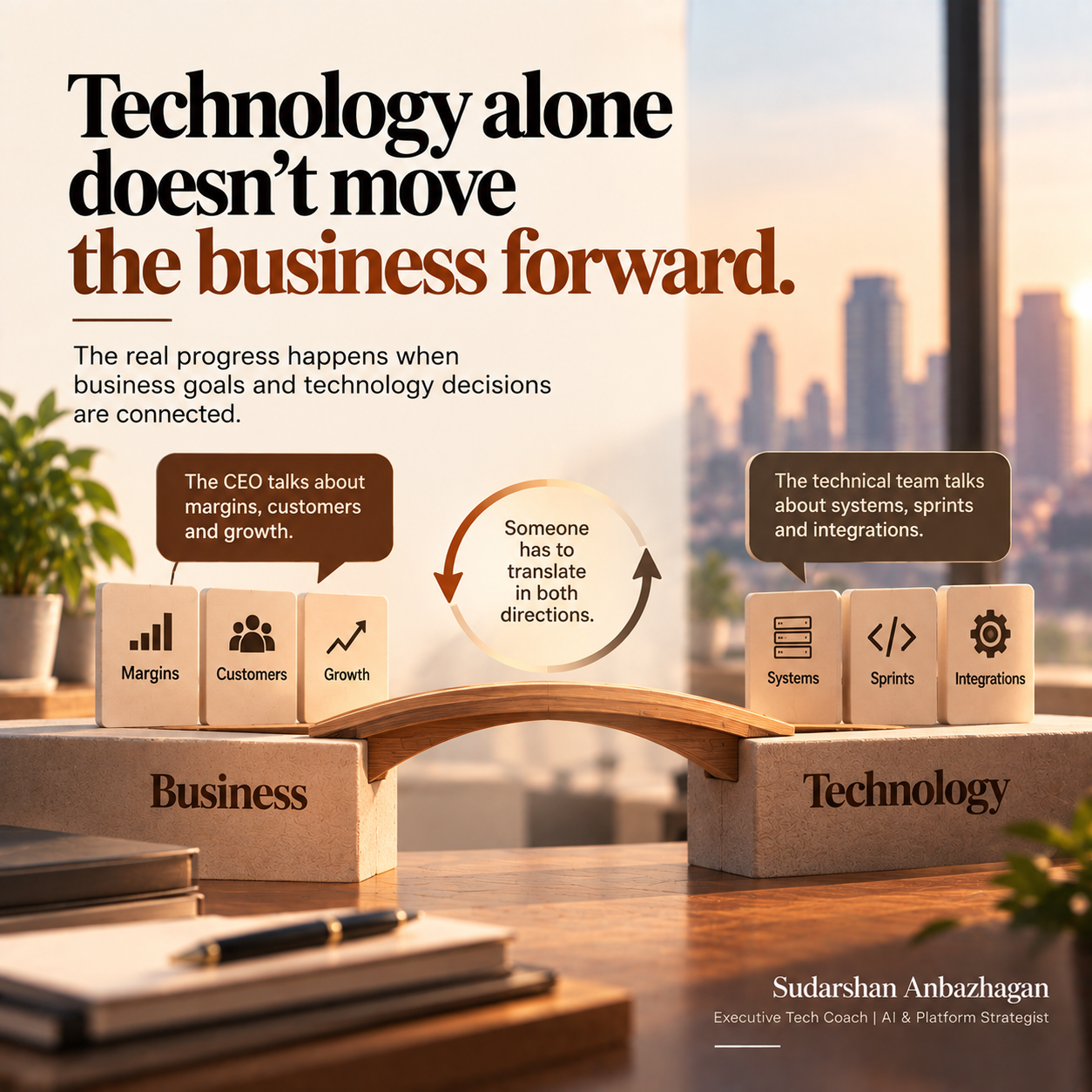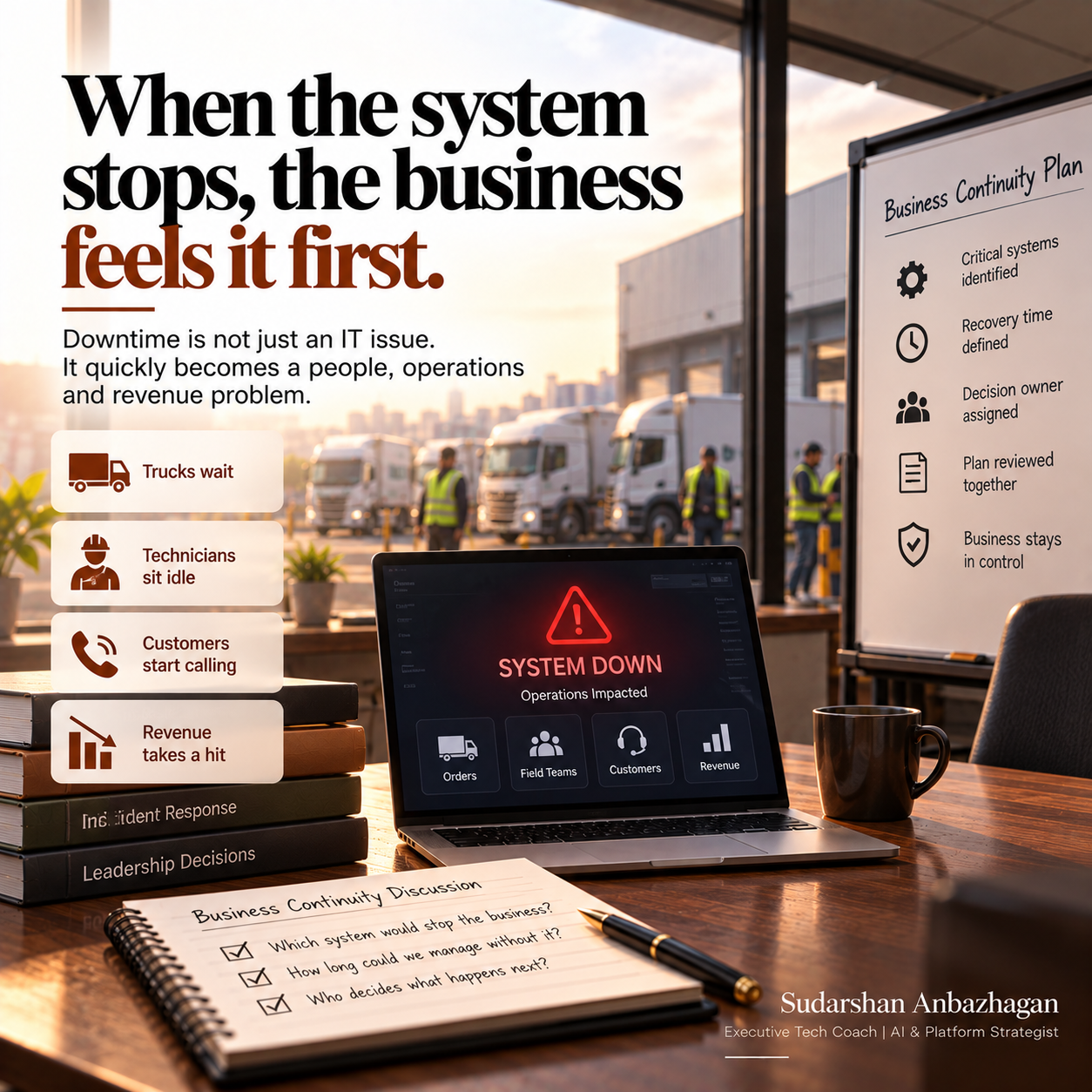

Customers never see your internal systems, but they feel every gap in them. They feel it when an order status takes a phone call and two days to confirm. They feel it again when a delivery date changes and nobody tells them first. After 15 years of working with operations-heavy businesses, I have come to believe that customer order visibility is one of the clearest tests of whether a company’s technology is truly serving the business, because the customer experiences your entire system landscape through a single screen or a single phone call.
Most of the companies I work with have invested seriously in technology. They have ERPs, warehouse systems, scheduling tools and reporting platforms. Inside the business, things have genuinely improved. Yet when I look from the customer’s side, the experience often feels exactly as it did years ago.
This gap is not a failure of effort. It is a matter of direction. Many companies build technology from the inside out, and the customer simply sits at the end of a long chain that nobody designed with them in mind.
Most leaders who have run this calculation are surprised by where the real cost sits.
Why Operations-Heavy Companies Invest From the Inside Out
It makes sense that internal systems come first. The pain is felt inside the business every day, by people who can describe it clearly and ask for help. Finance needs better reporting, operations needs better scheduling, and the warehouse needs accurate stock levels. Each request is legitimate, and each investment delivers real improvement for the people who asked.
Customers, on the other hand, rarely ask for system changes. They simply call when they need an answer, and the business absorbs those calls as a normal cost of service. Because the pain is spread across customer service teams and account managers, it never becomes a single clear technology request. The back office improves steadily, while the customer experience stays where it was.
Across SuperBotics’ 500+ projects, I have seen this pattern in distributors, manufacturers and field service companies alike. The back office becomes increasingly capable, but the information it produces stays locked inside, available only to the people who know which screen to check.
Reviewing Systems From the Customer’s Side
When I review a company’s systems now, I start from the customer’s side rather than the server room. I look at what customers can see without asking, what they still have to request, and how long each answer takes. It is a simple shift in perspective, but it often reshapes the entire technology roadmap.
The exercise usually reveals that the business already holds most of the information customers want. Order status, dispatch times, delivery windows and invoice details all exist somewhere in internal systems. The problem is that they never reach the person waiting for them. Instead, a staff member looks up the information and relays it by phone or email, often hours after the customer first asked.
The hidden cost of poor customer visibility is not the phone calls themselves. It is the quiet erosion of trust every time a customer has to chase information you already had.
Leaders are often surprised by how many internal hours are spent answering simple status questions. Those hours are invisible in most reports, yet they represent a significant share of customer service capacity that could be spent solving real problems.
Customer Order Visibility Rarely Requires a Rebuild
When leaders recognise this gap, they sometimes assume the answer is a large new platform or a complete digital transformation. In my experience, giving customers simple visibility rarely requires a big rebuild. It usually means connecting information you already have to the people waiting for it, through a portal, automated notifications or a simple status page.
| Customer Question | Inside-Out Experience | Outside-In Experience |
|---|---|---|
| Where is my order? | Call customer service and wait for a callback | Check a live status page at any time |
| Has my delivery date changed? | Find out when the delivery does not arrive | Receive a proactive notification |
| Was my job completed? | Wait for the invoice to confirm it | Get a completion update with details |
| Can I see my past orders? | Request copies by email | View history and documents directly |
| How long do answers take? | Hours or days | Immediate |
The technology behind the right column is usually modest. Most modern ERPs and operational platforms can share data through standard integrations, and a well-designed customer view can sit on top of what already exists. The harder part is deciding what customers should see first, which is a business choice rather than a technical one. I touched on the internal side of this in real-time visibility for operations teams, and customer visibility is the natural next step.
Reshaping the Technology Roadmap Around the Customer
Putting the customer view first changes how a technology roadmap is prioritised. Instead of asking which department has the loudest request, leaders start asking which change would remove the most customer friction. This is a sequence I use with leadership teams to make that shift practical.
- List the top customer questions. Review a month of calls and emails to find the five questions customers ask most.
- Locate the answers. Identify which internal system already holds the information for each question.
- Measure the delay. Estimate how long customers currently wait for each answer and how many staff hours it consumes.
- Expose one answer first. Choose the question with the highest volume and make its answer visible directly to customers.
- Measure and expand. Track the drop in calls and customer satisfaction, then move to the next question.
This approach keeps investment focused and visible. Leaders can see the effect within weeks through reduced call volumes and fewer escalations. It also builds momentum, because each improvement gives the business confidence to take the next step.
What Customers Notice and What Leaders Gain
Customers notice visibility immediately, even if they never comment on it directly. When they can answer their own questions, they feel respected and in control. Trust grows quietly, and that trust often shows up later as renewed contracts, larger orders and fewer disputes over delivery or billing.
Leaders gain something equally valuable. Customer service teams are freed from routine status requests and can focus on complex issues that genuinely need a person. Account managers spend their time building relationships rather than chasing information. The business becomes more responsive without adding headcount.
There is also a strategic benefit. When the roadmap is built from the outside in, technology investments become easier to justify, because their effect on customers is visible and measurable. It also reveals when a platform no longer fits how the business sells, a situation I explored in when your business model outgrows your platform.
Visibility Inside the Business Comes First
There is one important precondition for customer visibility that leaders sometimes overlook. You cannot show customers information that your own teams cannot trust. If order status is updated inconsistently, or delivery dates are changed in one system but not another, exposing that data to customers will create more confusion rather than less.
Before opening a customer view, I check whether the underlying information is accurate and timely. Are statuses updated when work actually happens, or at the end of the day? Do different systems agree on the same order? Are exceptions such as partial deliveries handled clearly? These questions often reveal small process fixes that need to happen first, and they are usually quick to resolve once identified.
This step also improves the internal experience. When information is reliable enough to show customers, it is reliable enough for sales, operations and finance to depend on. Teams stop maintaining their own side spreadsheets because the shared data finally reflects reality.
In this sense, customer visibility acts as a healthy discipline for the entire business. Knowing that customers will see the data encourages everyone to keep it accurate. The outside view does not only serve the customer. It quietly raises the standard of information across the whole company.
Building Technology the Customer Can Feel
Your customers judge your technology through one screen, or one phone call, whether you planned for it or not. Customer order visibility is often the simplest way to make years of internal investment finally visible to the people who matter most. It rarely needs a rebuild. It needs a shift in perspective, and a willingness to share information you already hold.
The companies I have seen make this shift did not abandon their internal priorities. They simply added the customer’s view to every technology decision. That one change made their existing systems far more valuable.
So imagine your best customer wanted an order update right now. How many people would they need to contact before getting an answer? That number may be the most useful starting point for your next technology roadmap.
The gap between a full-time CTO and a Fractional one is rarely what organisations expect before they see the numbers.